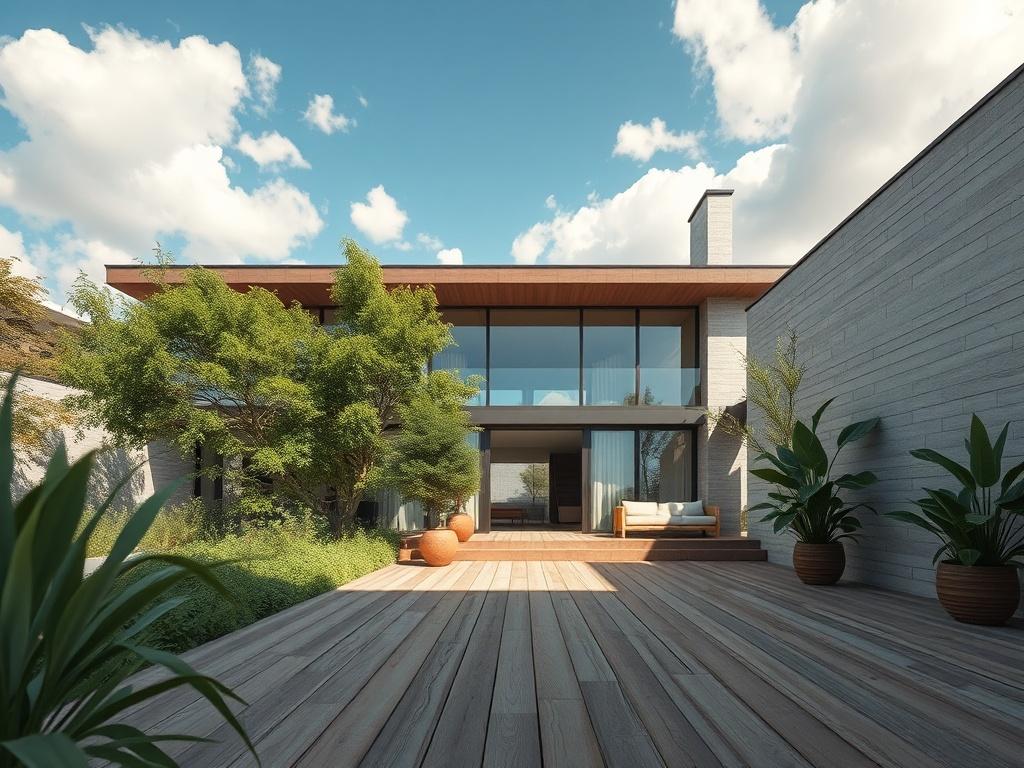
In today's fast-paced world, the intersection of architecture and well-being has never been more critical. Maria Dohadwala Architect Inc. champions the idea that smart architectural design can play a pivotal role in promoting health and longevity. By harnessing the power of sunlight, optimizing air quality, and selecting sustainable materials, architects can create spaces that not only elevate our living experience but also enhance our overall well-being. This blog post delves into the strategies that turn architectural visions into realities that foster a healthier lifestyle.
As we explore the essential elements of sunlight, air quality, and materials, we will uncover how thoughtful design choices can lead to environments that support longevity. From maximizing natural light to investing in advanced HVAC systems and moisture control, each aspect contributes to a healthier indoor climate. Join us as we highlight the innovative techniques and practices that Maria Dohadwala Architect Inc. employs, demonstrating how design can intentionally nurture our physical and mental health for years to come.
Harnessing sunlight for optimal health and well-being
Natural sunlight plays a pivotal role in enhancing the overall health and well-being of occupants in any building designed by Maria Dohadwala Architect Inc. By thoughtfully positioning windows and utilizing innovative architectural features like skylights and light wells, architects can maximize daylight penetration while minimizing heat gain from direct sunlight. This strategic approach not only reduces reliance on artificial lighting but also fosters a connection with the natural environment, uplifting mood and promoting mental well-being. The warmth of sunlight stimulates the production of Vitamin D, crucial for maintaining bone health, and helps regulate circadian rhythms, leading to better sleep patterns.
Moreover, implementing smart shading solutions, such as adjustable blinds or overhangs, allows for greater control over light exposure throughout the day. This accessibility ensures that sunlight serves its health benefits without overwhelming interiors with glare or excessive heat. In doing so, architects prioritize occupants' comfort while effectively integrating energy-efficient practices into their designs. By focusing on harnessing sunlight, Maria Dohadwala Architect Inc. creates spaces that not only encourage longevity but also celebrate the symbiosis of architecture and nature.
Enhancing air quality and ventilation for longevity
Achieving optimal health and longevity hinges on the quality of the air we breathe. Proper ventilation systems play a critical role in keeping indoor environments fresh and pollutants at bay. Maria Dohadwala Architect Inc. emphasizes the importance of designing spaces that facilitate natural airflow. Incorporating strategically placed windows, vents, and openings allows for a continuous exchange of stale indoor air with fresh outdoor air. Not only does this reduce harmful airborne toxins, but it also helps to maintain comfortable humidity levels, which is vital for overall well-being.
Additionally, the choice of HVAC systems and filtration technologies significantly impacts indoor air quality. Advanced filters can capture allergens, dust, and particulate matter, ensuring that residents enjoy a clean and safe environment. Maria Dohadwala Architect Inc. advocates for smart HVAC designs that balance energy efficiency with superior air purification. Implementing these design strategies enhances respiratory health and contributes to the longevity of the building and its occupants. Thoughtful attention to air quality and ventilation lays a solid foundation for healthier living, ultimately promoting a vibrant and long-lasting lifestyle.
Choosing sustainable materials for a healthier indoor environment
Selecting sustainable materials is pivotal in creating an indoor environment that promotes health and longevity. Architects, like those at Maria Dohadwala Architect Inc, prioritize materials that not only enhance the aesthetic appeal but also contribute to the overall well-being of occupants. Natural materials such as bamboo, cork, and reclaimed wood offer durability while minimizing environmental impact. These materials reduce the dependence on synthetic substances that can emit harmful volatile organic compounds (VOCs), thereby improving indoor air quality. By opting for low-emission paints, finishes, and adhesives, architects can ensure a safer living space that fosters both physical health and mental well-being.
Incorporating eco-friendly materials also supports moisture control, which is crucial for preventing mold and maintaining a healthy indoor environment. Materials like gypsum board with mold-resistant properties and insulation made from recycled content play a significant role in moisture management. Additionally, choosing non-toxic, sustainable options contributes to a circular economy, reducing waste and promoting longevity in design. By embracing these strategies, architects at Maria Dohadwala Architect Inc champion the idea that sustainability and health can coexist, ultimately creating spaces that enhance quality of life for years to come.